Bulk order checklist: ten things to confirm before you commit
A bulk run falls apart in the same predictable places. Here's a buyer's checklist: ten specs to lock down before you place an order over 100 units.
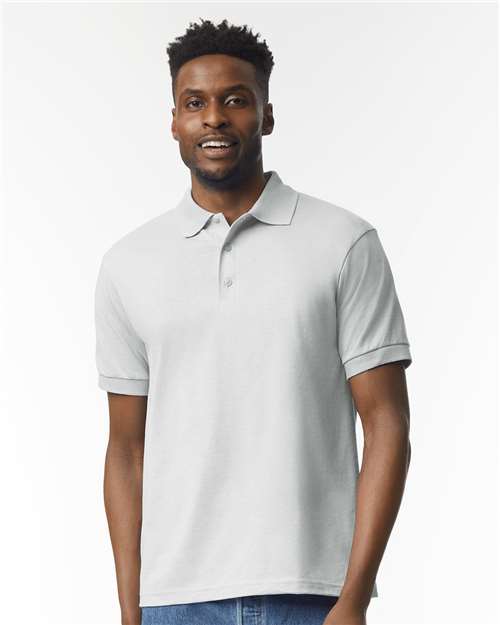
Before you sign anything. Most bulk orders that go sideways do so because a spec was vague at quote time. The price is downstream of the spec. The ten checks below catch the largest dollar-value mistakes: most of them before you commit, two of them before you decorate.
1. Lock the SKU, not the brand
"Bella+Canvas crewneck" is not a SKU. Bella has 3001, 3001CVC, 3413, 3650, 3501: same brand, different fabric, different fit, different price. Pull the exact style number into the quote and the proof.
2. Confirm the color is currently in stock
A color that was deep last quarter can be backorder-only this quarter. Always confirm the specific color in the specific SKU has stock for your run size before you take a deposit.
3. Build from the actual size split, not the average
Adult printed merch typically runs heavier in M/L with a long XL/2XL tail. Team and youth runs are the opposite. The price of 2XL+ is meaningfully higher than S to XL. Quote on a flat per-piece average and you'll watch margin evaporate on the upcharge sizes.
4. Confirm decoration count, location, and method
Two-color front, one-color back, screen print. Or DTG full-color front. Or embroidery left chest. The wording in the customer's email almost never matches the wording in their head. Read it back to them in the quote, every time.
5. Ask about names and numbers explicitly
Names and numbers are a per-piece line item, often more than the print itself. They also add lead time. If the customer hasn't mentioned them and the run is a team or roster, they almost certainly want them.
6. Polybag, fold, and stack: separate line items
Individual polybagging, folded-and-stacked delivery, and pre-sorted-by-name shipments are all separate fees. If the customer is running a retail drop or distributing to a roster, ask up front. Adding it later is awkward and the gap usually comes out of margin.
7. Lock the deadline against the lead time
Every step in a bulk run has its own clock: supplier ship, decoration, finishing, last-mile delivery. Hard deadlines (a game day, an event date, a retail launch) compress your contingency window. Build a 3 to 5 business day buffer in for any deadline that can't move.
8. Name the substitute up front
If your first-choice SKU+color runs short between quote and fulfillment, what substitute would you recommend? Tell the customer now, not when you have a Friday afternoon problem. The shop that surfaces the risk gets paid for stability; the shop that absorbs it silently doesn't.
9. Confirm the shipping address before you decorate
Decoration is the point of no return. A wrong address discovered after print is your problem, not the customer's. Verify the ship-to in writing once more before the SKUs leave the supplier dock.
10. Save the dye-lot reference
For repeat orders that need to color-match across runs, ask your supplier to flag the dye lot and save a sample garment from the first run. Cotton dye lots drift over the year. A January reorder of a September run can read noticeably different in side-by-side, especially in heathers and naturals.